

20 Under 40

Each 20 Under 40 Award nominee must show how they make a substantial impact in their industry, field, or community and demonstrate the ideals of the Auburn Creed. Nominated by their peers, the 20 Under 40 award winners are the next generation of leaders in the Auburn Family. This year, one-fifth of the list of honorees was from the College of Agriculture. Read about the honorees below.

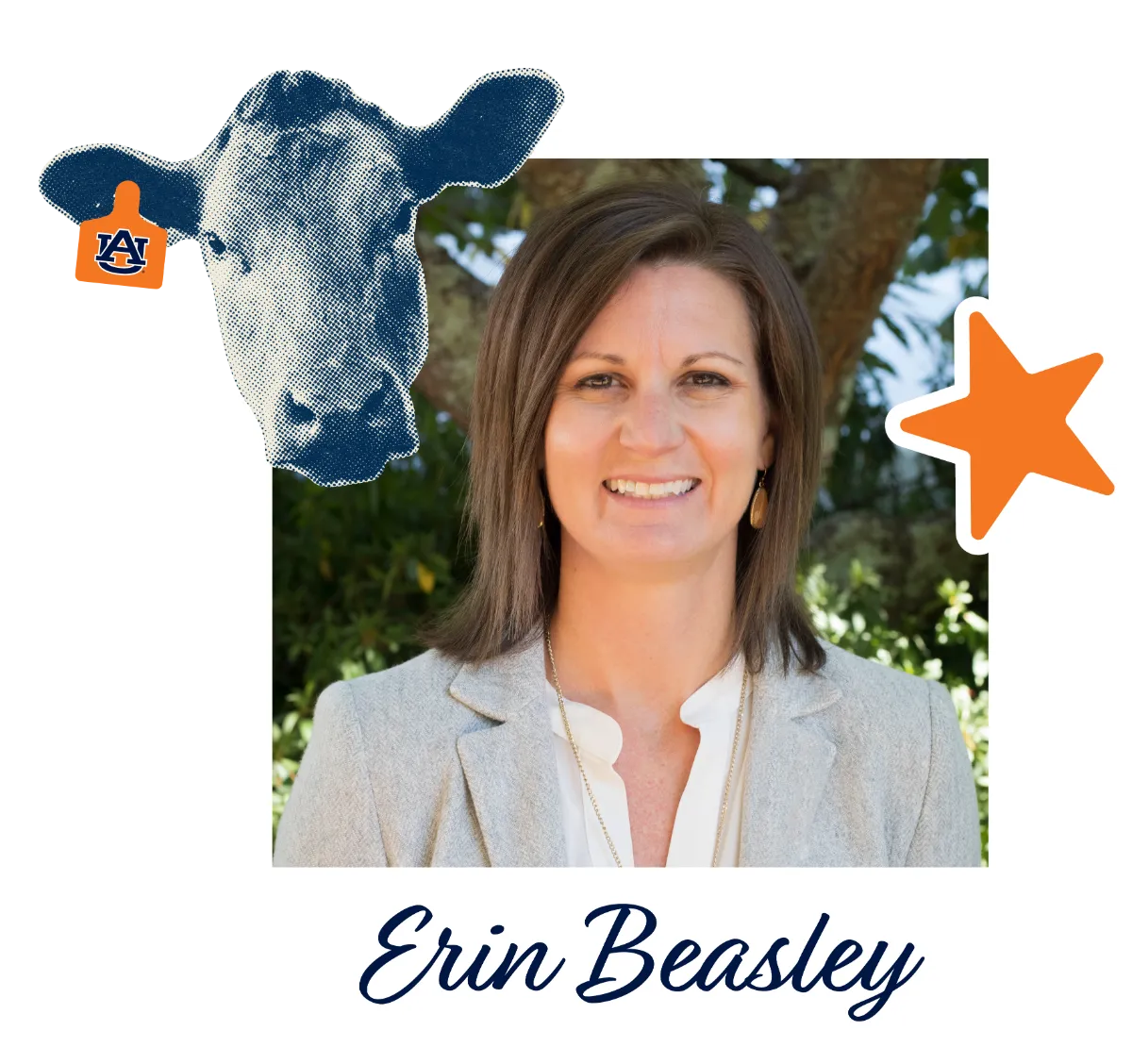


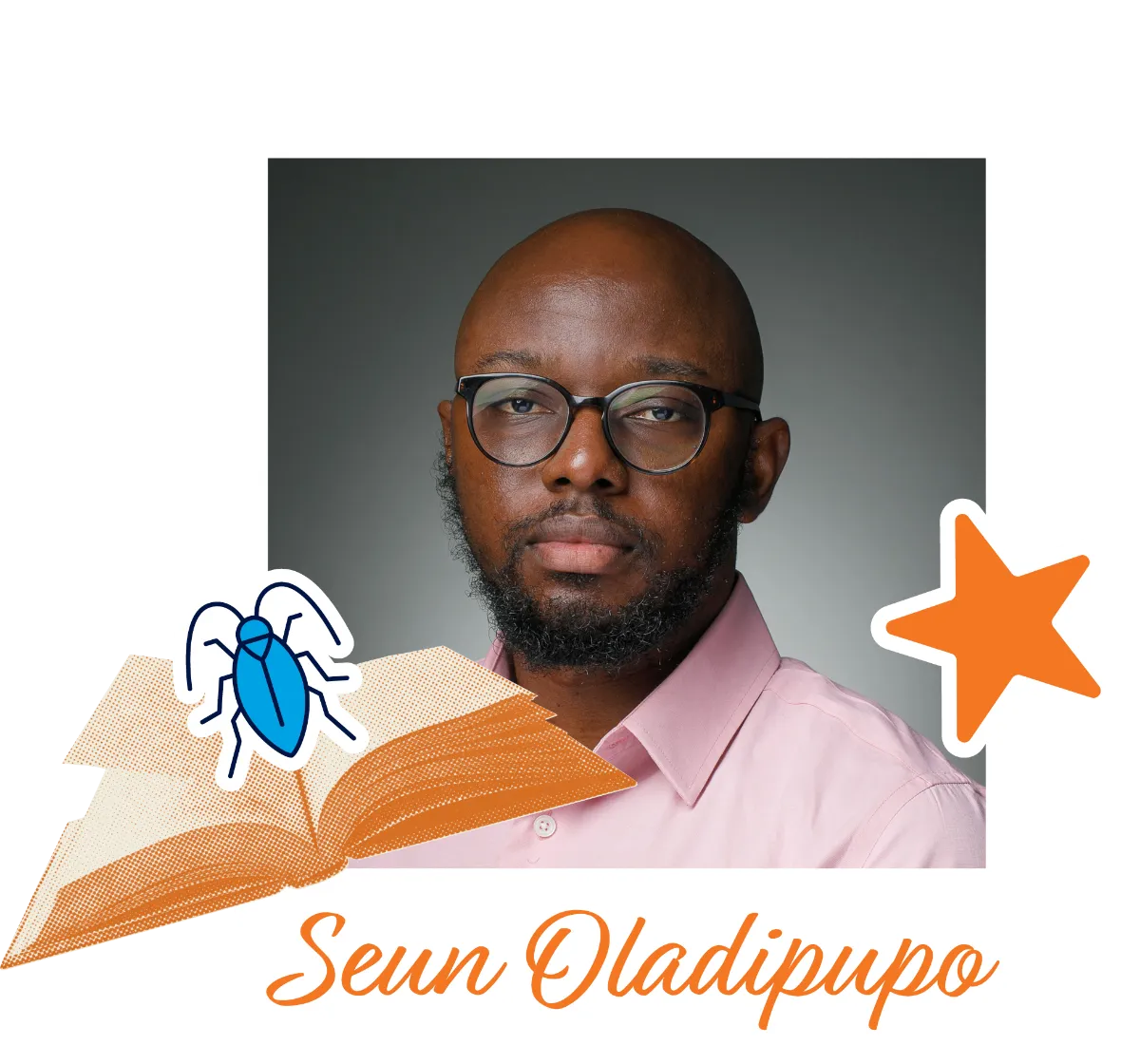
As Executive Vice President of the Alabama Cattlemen’s Association, Beasley serves as a listening ear, a key decision-maker and a spokesperson for the association’s 10,000 members statewide.
“Being cognizant of the challenges facing our producers is one of my primary focuses,” said Beasley. “Our members and volunteers have a pulse on the industry’s highs and lows which guides all of us to work together as an association. Being part of that is so rewarding.”
As a grassroots organization, the Alabama Cattlemen’s Association brings cattle producers to the forefront of policy changes on the state and federal level. Executives like Beasley represent the voice of producers on local boards and public interest groups, which ensure agricultural policy reflects industry priorities.
Earning her bachelor’s in animal science (’08) and master’s in meat science (’10), Beasley is well-versed in the livestock industry through education and applied experience. Today, she channels that expertise into purposeful leadership and advocacy for Alabama’s cattle producers.
During her time at Auburn, Beasley was a leader on Ag Hill where she served as president of the College of Agriculture and as an Ag Ambassador. Now, as the vice president the Auburn Ag Alumni Club, she still actively supports her alma mater.
“I truly enjoy assisting with events like Ag Round-Up and the Alabama Agriculture Hall of Honor though the Alumni Board. It is a rewarding experience,” Beasley said. “Auburn has such a special place in my heart, and the College of Ag makes everyone feel like they are at home. It’s one of the main reasons I came to Auburn in the first place.”
Beasley looks back on her time at Auburn as a formative chapter that shaped her soft skills and deepened her desire to advocate for the livestock industry. At Auburn, she built the groundwork for a successful agricultural career and lifelong connections, including fellow honoree Kim Mullenix.
“I met Dr. Mullenix at Camp War Eagle, and we have been friends and colleagues throughout the years. You never know who will remain in your circle and network when you’re starting that process as a student,” Beasley said.
Charting the path ahead, Beasley says the Alabama Cattlemen’s Association is proud of the strong Junior Cattlemen’s organization and focus on young producer development in the state. She encourages young people — whether members of the Junior Cattlemen’s Association or simply interested in agriculture — to build fellowship and grow their own networks.
“The future is bright, our young cattlemen’s leadership program is designed to develop and also retain our folks, giving them the ability to grow their network which benefits the industry overall,” said Beasley.
Beasley and the Alabama Cattlemen’s Association board and members also use their influence to give back to communities of cattlemen. The Alabama Cattlemen’s Foundation has demonstrated a strong disaster response in recent years, providing direct support to producers impacted by wildfires and hurricanes.
“Our members deeply care about others and continuously meet needs. In 2024 alone, the Foundation provided over $70,000 in relief,” Beasley said. “Providing monetary donations, fencing materials, equipment and people to assisted with rebuilding in Texas, Georgia, North Carolina and Florida.”
Beasley and her husband Chad Beasley own and operate a commercial cattle business in Notasulga, where they live with their two children. Beasley hopes her children will see that her hard work was driven by purpose, and that they’ll one day find careers that inspire the same joy.
For Beasley, agriculture continues to be a field where passion meets purpose. Her work reflects a long commitment to the industry where she continues to be a champion for cattle producers and a loyal Auburn Tiger.
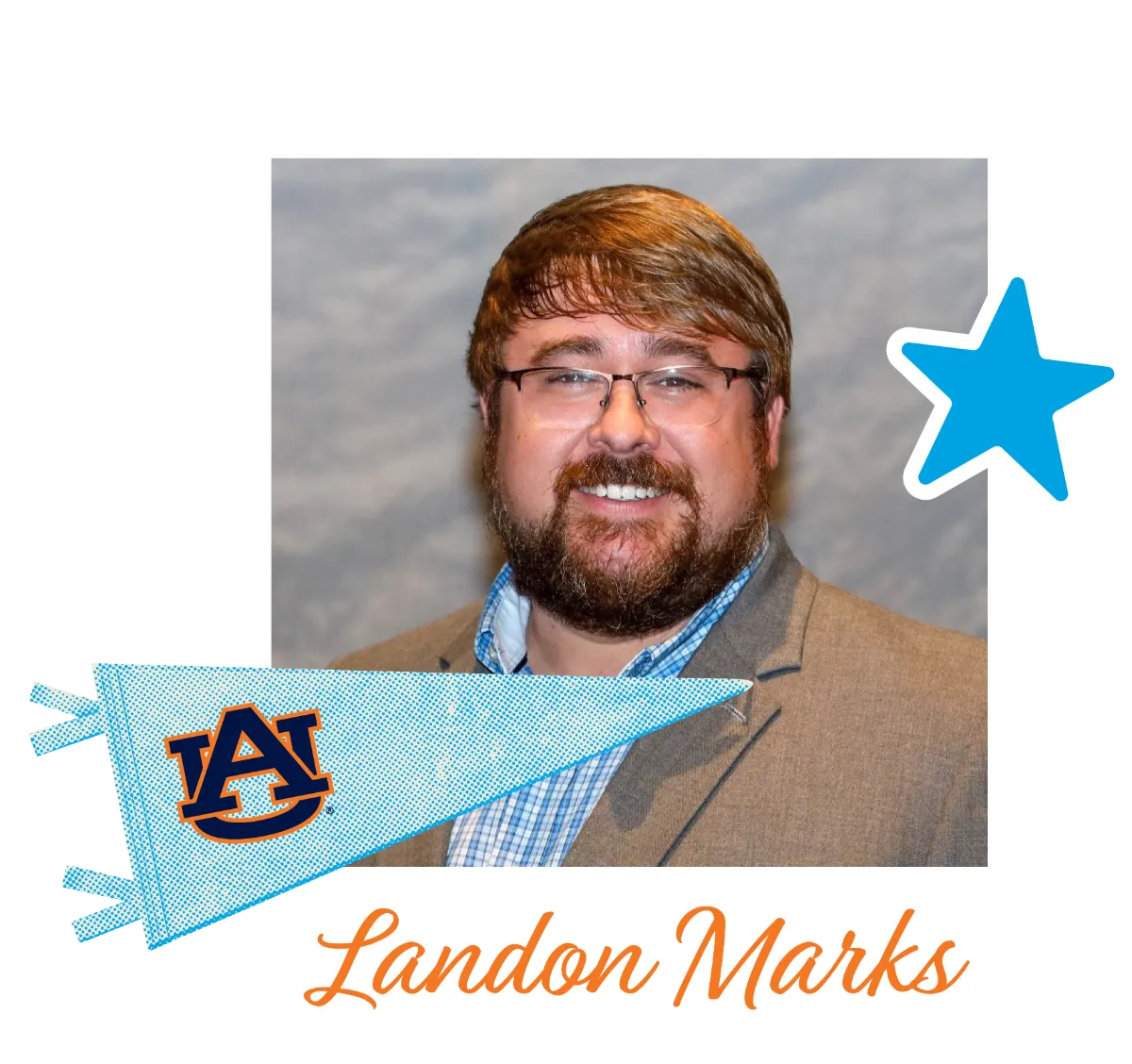
As county director for the Alabama Cooperative Extension System in Cherokee County, Marks leads educational and applied research programs that help producers innovate, increase efficiency, and solve everyday challenges in agriculture and 4-H youth development. Before taking this position in January 2024, he spent 12 years as the Northeast Alabama regional extension agent for animal science and forages.
A native of the Cullman–Winston County line, Marks grew up working on farms and for a local veterinarian. His passion for livestock and agriculture was clear early on, but it took hold thanks to an event hosted by the Ag Ambassadors when he was in 11th grade.
“I always had a love for animals and specifically livestock as a child,” Marks said. “At the time, I was working for the local veterinarian, Dr. David Tyree, and wanting to pursue a career in veterinary medicine. Once I learned there were other career opportunities where you could work with animals, it made me consider those options.”
After two years at Wallace State Community College, Marks transferred to Auburn in fall 2008 to study animal sciences. He was challenged by the rigor of the coursework in the department, but he credits the faculty for his success.
“Auburn University is certainly a family, but it’s a family with high expectations,” he said.
As a student, he worked at Auburn’s Beef Teaching Unit, where he discovered a passion for animal breeding and research.
“I remember the first time George Richburg let me in on the mating decisions of the cows, where we matched traits and tried to improve the next generation of cattle,” he said. “This is where the bug bit me for research and extension.”
After earning his bachelor’s degree in animal sciences from Auburn in 2010, Marks completed a master’s in animal and dairy sciences at Mississippi State University, then returned to Auburn to earn his doctorate in animal sciences in 2020 under the mentorship of fellow 20 Under 40 honoree Kim Mullenix, now head of the Department of Animal Sciences. His research focused on beef and forage systems and the interconnected factors that make cattle operations sustainable.
Now, in his leadership role, Marks says he finds new purpose in mentoring young agents just as others once mentored him.
“I have been able to build friendships with co-workers over the years that make coming to work easy but productive,” he said. “The relationships I have built with clients over the years is the reason I come to work each day. I love seeing the light bulb come on for them and see them implement production practices that not only make them more efficient but also more profitable and sustainable.”
For Marks, the 20 Under 40 recognition is especially meaningful because he was nominated by one of his former 4-Hers, Wesley Rogers, who is now pursuing a Ph.D. in poultry science at Auburn.
“The distinction of being named to the 20 under 40 class is truly a reflection of the people I get to work with, he said. “Everything I have ever achieved can be related back to a team of people who work tirelessly to make a difference in people’s lives. Auburn University is a special place with special people, and you have to be part of the family to truly understand the reach.”
Landon and his wife, Dr. Lauren Marks, ’10, live in northeast Alabama, where they own and operate Marks Animal Hospital, a mixed animal veterinary practice, and Mountain View Cattle Farm, a registered Angus and SimAngus seedstock operation.
For Marks, agriculture isn’t just a profession — it’s a calling rooted in family, community and the enduring Auburn spirit that continues to guide his work every day.
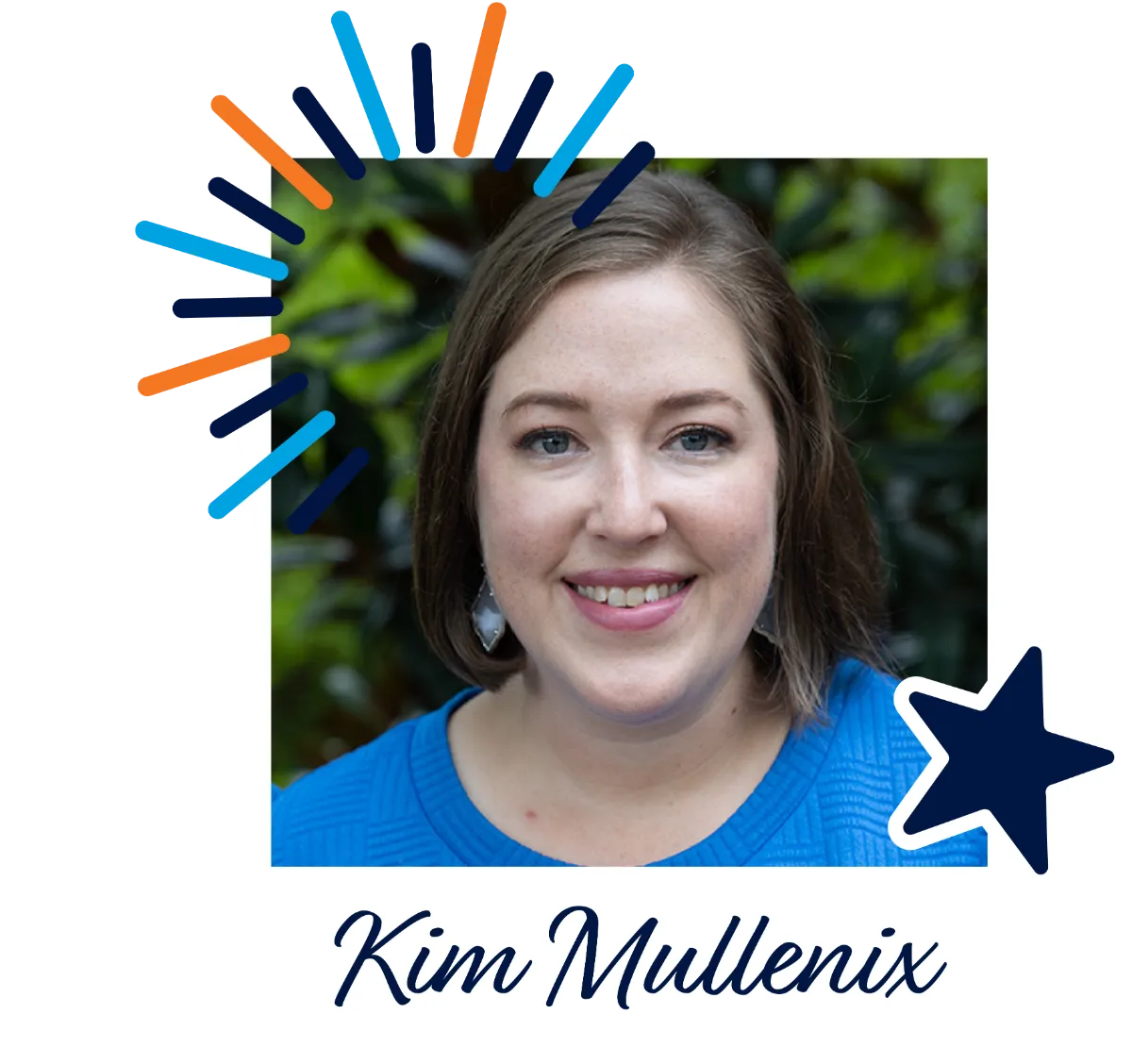
Originally from Nuna, Georgia, Mullenix grew up on a small beef cow-calf operation. Though agriculture was always part of her background, she first arrived at Auburn with her sights set on pharmacy school. A tour of Ag Hill, however, changed her course.
“I came to it because of the smaller class sizes and one-on-one interaction with faculty through our major,” she said. “And then, like most people that come into our major, I got into it and realized there were a whole lot of opportunities out there that I didn’t know existed. And then doing an undergraduate research fellowship my junior year really just changed my trajectory.”
That fellowship led to a master’s in ruminant nutrition after completing her bachelor’s in animal sciences. During her master’s, she worked on grazing management and supplementation strategies for beef cattle. From there, Mullenix earned her doctorate at the University of Florida in forage agronomy, focusing on the soil-plant-animal interactions that underpin efficient cattle production.
When the time came to find her first faculty role, Auburn proved to be the right fit.
“It’s the institution that raised me, so to speak,” Mullenix said. “I was open to other opportunities, but I was really happy to be able to come back here.”
As an Alabama Extension beef specialist, she worked closely with producers and county agents across the state to improve efficiency and profitability in cattle systems. Her applied research focused on making the most of forages and feedstuffs available to southeastern beef producers.
“It was an opportunity for service to our faculty and to represent our programs and what they bring to students,” she said. “That presented an exciting step. To move into administration and be able to take this opportunity as it came forward — and to be trusted with that — is a real blessing.”
Mullenix says the highlight of her first year has been working directly with students in new ways.
“I’ve always enjoyed mentoring graduate students, but now I get to interact more with our undergrads — learning about their interests and helping them discover their path,” she said. “That has been really rewarding.”
Mullenix sees the 20 Under 40 recognition as a reflection of the strong network within Alabama agriculture. “I think it’s neat that so many of this year’s honorees are from the College of Ag. It really demonstrates how connected agriculture people are in this state. We support one another.”
She said being part of that network — first as a student and now as a leader — is both humbling and inspiring. Her work continues to reflect a commitment to Alabama’s beef industry and to the next generation of Auburn agricultural leaders.
For Mullenix, agriculture and education remain fields where passion meets purpose — a calling that began on a small farm in Georgia and continues to shape Auburn’s students, faculty and the wider livestock industry today.
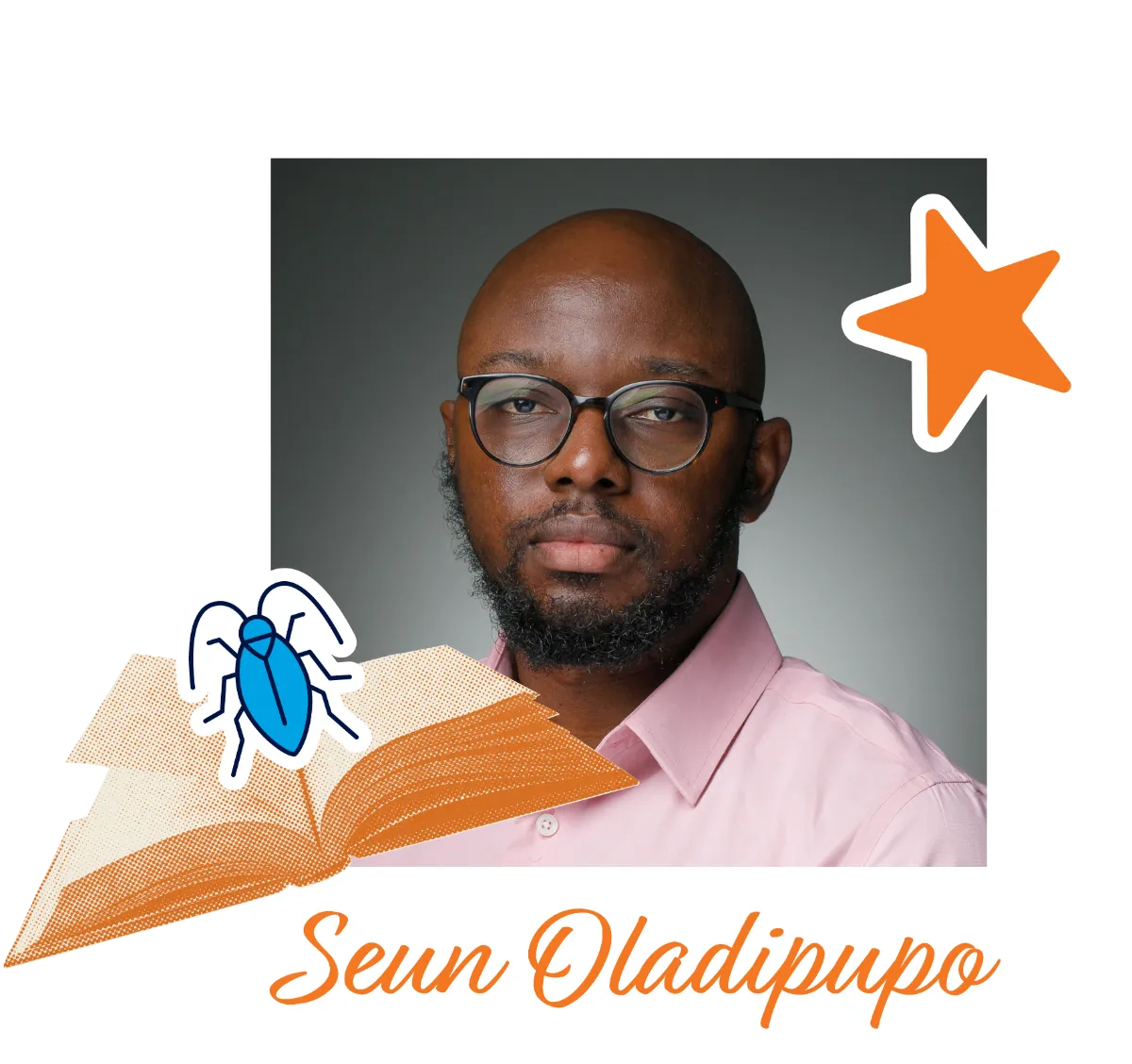
Oladipupo is an assistant professor of urban entomology at Ohio State University, where his work addresses one of the most insidious challenges of urban living: persistent pest infestations.
Oladipupo leads investigations into how socioeconomic factors influence pest prevalence, while also pioneering biotechnology-based strategies to manage insects in more sustainable, less chemical-intensive ways.
One of his signature projects, titled Mapping Inequities: A Data-Driven Approach to Understanding and Combating Bed Bug Spread in Columbus, Ohio, seeks to pair field collection of bed bugs from neighborhoods across the city with socioeconomic datasets to understand why some areas suffer more severe infestations than others.
In media interviews regarding the project, Oladipupo emphasized that urban pest problems cannot be divorced from broader social challenges.
“Ohio’s vulnerability to bed bugs stems not just from interstate travel, but from deeper, structural issues,” he told CFAES News. “The state’s high rates of spatial inequality and socioeconomic marginalization create fertile ground for bed bug persistence — especially in densely populated urban areas.”
Oladipupo’s scientific training spans continents. Originally from Efon-Alaaye, Nigeria, he completed his bachelor’s in biology and then his master’s in environmental biology and public health at the Federal University of Technology, Akure. In Nigeria, he engaged in research on mosquito control and insect pest management, laying the groundwork for his later urban-pest focus.
He pursued his doctorate in entomology at Auburn University, finishing in 2022 after working under Associate Professor John Beckmann and now-interim Dean Arthur Appel, then held a postdoctoral position at Yale University in molecular biophysics and biochemistry. At Auburn, he was widely regarded as one of the most decorated graduate students in entomology: He led the national championship Entomology Games team, served as president and treasurer of the F.S. Arant Entomology & Plant Pathology Club, and held leadership roles across campus and in student government.
His Auburn research explored alternatives to synthetic pesticides, especially essential oils and bacterially mediated strategies. Using German cockroaches as model pests, Oladipupo sought to understand how essential oils affect insect physiology, and how bacterial endosymbionts might be used to suppress reproduction in pest populations. His work earned attention both within entomology journals and in outlets such as Entomology Today and National Geographic for its potential to reshape how insects can be managed in urban settings.
Since taking his faculty appointment in 2024, Oladipupo has rapidly expanded his group, combining field research, laboratory molecular biology and outreach efforts to translate lab discoveries into real-world interventions. He envisions solutions ranging from microbiome-based control tools to predictive models of pest risk tailored to diverse neighborhoods. His extension-oriented mission is to deliver not only new technologies, but also accessible education and resources to communities disproportionately burdened by pest challenges.
Oladipupo’s work stands at the intersection of biology and justice — a reminder that the smallest creatures can lead us to the deepest truths about our cities and ourselves.