



It started with her dissertation on ideal environments for human decomposition at Colorado State University.
She then briefly considered a career in forensics before returning to her roots in agriculture.
Belk is an assistant professor in the Department of Animal Sciences and a researcher in the Alabama Agricultural Experiment Station, bringing a vast portfolio of meat science and microbiology experience.
She was hired in August of 2022, and is already a favorite among animal science students.
“Dr. Belk and I immediately hit it off during our very first meeting,” said Abby Krikorian, an animal science graduate student. “She really is a one-of-a-kind person who never gives up and always perseveres. Dr. Belk is such a great mentor to me. It’s so hard to put into words all the things she has done for me while on the journey to my master’s degree.”
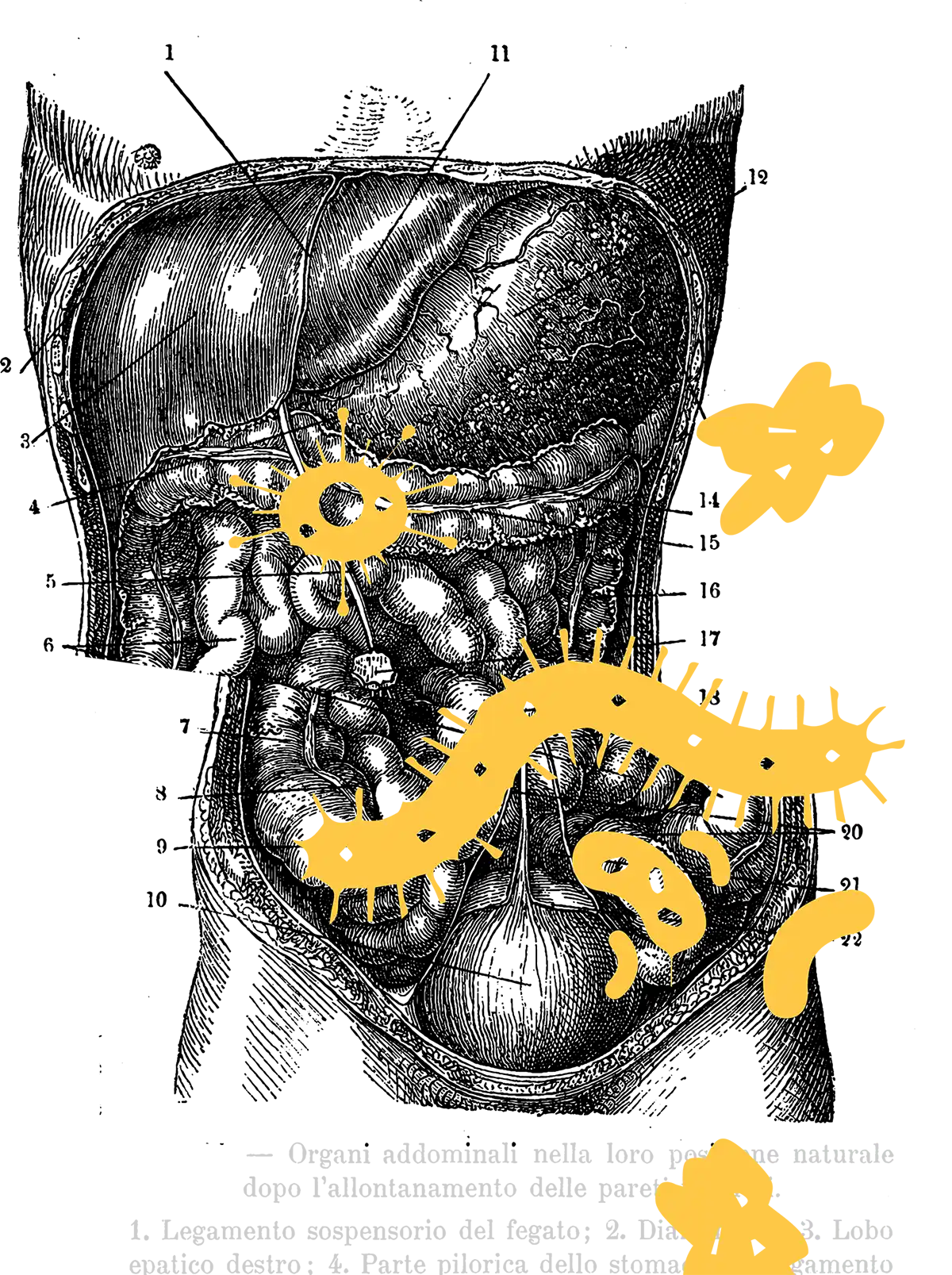
Microbiomes are communities of microorganisms that cause disease or fermentation. Belk was studying the microbiomes that surround human decomposition for forensic science applications.
“Our question was basically whether you can determine the time of death from the microbial signature on the remains at the time of discovery,” she said. “During decomposition, the microbial communities shift in predictable patterns, which we call microbial succession.”
For example, initially the microbiome contains mostly aerobic (using oxygen), skin and soil microbes, but gasses build up in the gut and cause rupture, which allows the anaerobic gut microbes to join the party. Then, the microbial numbers get so high that competition takes over, then nematodes show up to eat the abundant bacteria, and the factors showing the passage of time continue.
“We wanted to learn whether this pattern is the same in all people, all places, throughout the year, and whether we could truly predict it,” she said. “We worked with forensic research facilities where people can will their bodies. They placed the remains outside, unclothed, and helped us collect daily samples from several points for about a month.”
They sequenced the DNA from these samples and used machine learning algorithms to see if they could tell the time of death from the microbes present.
– Aeriel Belk
Belk never shied away from the stereotypical uncomfortable things, seeing them instead as opportunities for learning and growth.
“I really love bats,” she said as an example. “I used to volunteer for a bat rescue and happily would again if I could find one. I currently content myself with just looking at them in the evenings.”
Meat science is a family interest. Her father is a professor in meat science, exposing her to the field early, even before she truly understood what it was.
She started learning by age 10, when she competed on the 4-H meat judging team. She continued meat judging as she earned her Bachelor of Applied Science in animal science at Colorado State. That degree opened her eyes to the meat industry in America.
“I started to realize how much of a family the group of people that worked in the field were,” she said. “Everyone knows everyone and is excited to see each other and keep up. I also discovered by working in our meat safety lab as an undergraduate researcher how much I loved microbiology, so it worked well when I was able to find a master’s program that would let me do everything I was interested in – meat science, judging, microbiology, safety and teaching.”
She was finally drawn to Auburn by that same combination of factors that drew her to the field in the first place: meat science, microbiology and teaching.
“This job — All I ever wanted was a professor position where I could do my research and teach at the same time,” she said.